What are blackheads and blackhead removal tips.

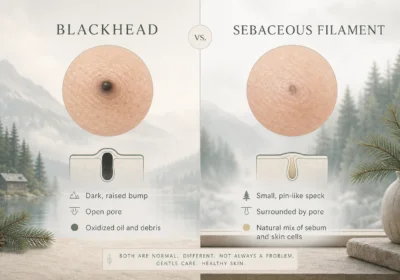
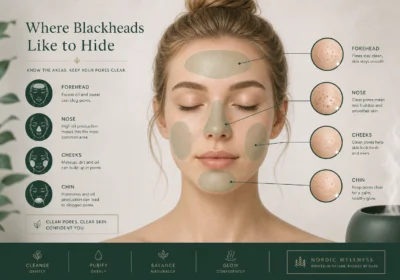
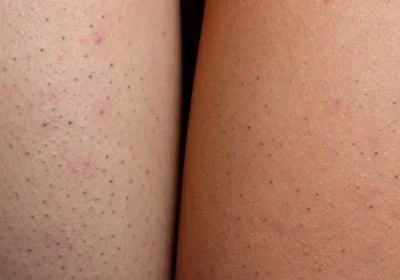
Many people can suffer from blackheads, otherwise known as open comedones, although it is usually found in adolescents and young adults. Blackhead is a form of acne that occurs when small yellowy black lumps are formed when a blockage develops in the hair follicle of the skin due to bacteria, dirt, dead skin cells and excess oily sebum. We will dig into some of the blackhead removal (home remedies) tips in this topic which will surely help you in removing the blackheads without any side effects unlike clinical treatments.

A guide to remove blackheads fast with best black removal tips
How to remove blackheads? Designed by Freepik

A common misconception is that the black-top of a blackhead is due to dirt, however, it is actually due to being exposed to air. Many factors contribute to the breakout of blackhead just like other forms of acne vulgaris, hormonal changes due to puberty and the menstrual cycle are a large factor. As is genetics and stress, and just like most other forms of acne the incorrect use of skincare products and cosmetics can also play a small part in acne breakout too.

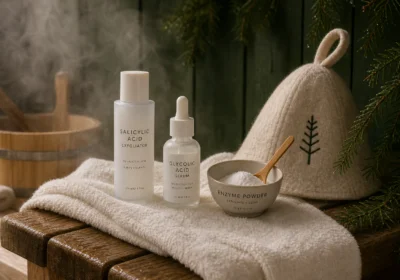
There are some prescription medications that can help relieve the blackhead pimples, however, there are also many different items that are probably lying around the house, that can also help treat blackheads. Therefore, this article will concentrate on those remedies, however, it is important to note that although these may make a noticeable difference but it may not cure the problem altogether.

Baking Soda

The first remedy is Baking soda, this is a very effective treatment for blackheads and other forms of acne also. It can help effectively clean all dirt and debris from the skin. For this remedy, simply mix 2 teaspoons of baking soda with mineral water and mix into a paste. Massage on the skin directly and allow it to dry for a few minutes before rinsing with water. For maximum effects repeat this weekly.

Cinnamon

The next blackhead removal tip for battling blackheads is cinnamon. This is prepared by mixing one teaspoon of cinnamon, one teaspoon of lemon juice and a pinch of turmeric together. Apply it to the face for approximately 15 minutes before rinsing it off. Alternatively, you could mix a teaspoon of cinnamon and honey to make a thick paste and apply to the area leaving it on overnight before rinsing in the morning. This should be done every day for 10 days.

Honey and Lemon

Another blackhead removal that involves using honey is honey and lemon. For this remedy you use 2 tablespoons of lemon juice, ½ a tablespoon of salt, one and a half (1½) tablespoon of yogurt. After mixing his should make a gel-like substance that you can apply to the breakout area directly and rinse off after approximately 10 minutes.

Honey and Egg

A third blackhead removal tip that takes advantage of the healing properties of honey is the use of honey and egg. So, you should take the egg white of one egg and mix it well with honey. Apply directly on to the pimple area for a short time of 5 to 10 minutes before rinsing well.

Milk and Nutmeg As Blackhead Removal

Another remedy is milk and nutmeg. Both of these have properties that help reduce the discomfort and appearance of blackhead pimples rapidly. Use two tablespoons of milk and mix it well it a tablespoon of nutmeg. Once it becomes paste like apply it to the area and leave for approximately 15 minutes and rinse with warm water.

Oatmeal As Blackhead Removal

Oatmeal is a very soothing element for the skin and therefore this is the next blackhead removal tip. Mix one teaspoon of honey and the juice of 4 tomatoes into a preferred amount of oatmeal however it needs to be enough to make a paste, apply it directly to the skin similar to the method you would use for a face scrub, leave it in-situ for 10 minutes and then rinse it. For the best results, you should use it as a regular skin treatment.
Alternatively, you can mix two tablespoons of oatmeal with three tablespoons of plain yogurt and a small amount of lemon juice and olive oil. Apply this to the face and leave for a few minutes before rinsing

Green Tea

Another everyday item that is good for helping relieve blackheads is Green tea. Green tea has become increasingly popular recently and can now be out to use for your skin as well as your health. Mix 1 teaspoon of dried green tea with water to make a paste. Gently scrub the paste over the affected area for a few minutes before rinsing with warm water. This scrub will help unblock any clogged pores as well as cleanse deeply your skin of oils.

So, there you have it some tried and tested household remedies for helping relieve the symptoms of blackhead pimples. Most of you will have some if not all of these items just sitting around your kitchen. So, why not try to utilize some of them. There should be at least one in this list that you will be will be willing to try as admittedly some sound better than others, and some just sound good enough to eat. Read our article THE CYSTIC ACNE DIET and Watch these DIY blackhead removal tips.

3 Home Remedies For Different Types of Blackhead Concerns | DIY Blackhead Remover Mask

Mythical Acne – the truth behind the myths about acne

myths about acne
Myths about Acne

Whether you are a sufferer of acne or not, you will have heard at least one or two myths bandied about concerning acne in some shape or form. Thus, in this article, I plan to blame and shame the myth and get the truth out there.

  1. The more you wash your face, the less likely you are to have spotssadly although washing your face does allow you to get rid of any dirt, bacteria, dead skin and oil away from your face, it will not help deter a breakout on your face. If anything washing it too much will make it sore and dry will cause irritation and further inflammation, making it even more prone to breakouts.
  2. Don’t wear makeup if you want clear skin: believe me, I am not an advocate for slapping layers upon layers of makeup on your face, however, wearing makeup will not make you more prone to breakouts. In fact, a lot of makeup now are oil-free and contain active ingredients to help combat spots such as blackheads, cystic pimples and so forth.
  3. If you keep getting more and more breakouts to keep slapping on the acne medicine and treatments: many medications that are used in acne treatments contain drying agents within them, therefore putting too much on will dry your skin making it dry, irritable, inflamed and breaking out.
  4. Sunbathing and getting a tan is good for acne: although a tan may make you feel good in summer and it may conceal your acne while it is there, the sun exposure can actually hurt your skin in the long run, drying it out and making it more irritated and inflamed.
  5. Adults don’t get acne: quite simply this is not true, surveys have found that many adults are getting acne into their twenties and older dome are even getting in their forties and above.
  6. Poor hygiene causes acne:  a very prevalent myth is that people that have acne have dirty skin, its up there with the people who have headlice have dirty hair myth. In actual fact it is just bad luck and genetics, somebody could have no personal cleanliness at all and be a pimple free, whereas the cleanest person in the world could have acne. There is no correlation. So do not over wash your skin. You’re not dirty.
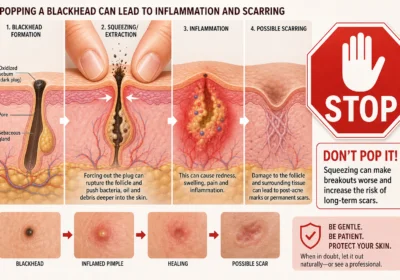
  7. Squeezing the pimple is the best course of action: DO NOT SQUEEZE A PIMPLE, there are a lot of people who cannot resist the urge to squeeze when a pimple comes along. However, keep your hands off and leave them alone. It can be especially tempting if the spot feels irritable or painful however by touching it and squeezing it you are only aggravating it more, plus you added more bacteria to the surface area and if it pops the bacteria from that pimple will also be on the surface area and be contaminating and potentially infecting other pimples.
  8. Junk food causes acne: there is no hard evidence that correlates greasy food with acne as of yet, but, it is inevitable that if you are eating a big juicy burger or a nice greasy pizza that some of that will end up on your chin and therefore this added grease could increase the oil on your skin if you already suffer from an oily complexion. Thus your skin absorbs more grease and it, therefore, breaks out into acne pimples.
  9. Acne goes away on its own: this myth is very wrong, you should not have to suffer in silence with the pain and emotional stress that acne brings. Do not leave a pimple until it so big and uncomfortable. At the first sight of a pimple use an over the counter product to try and help. If this doesn’t work seek medical advice and stronger prescription medication will be prescribed. It needs treating it won’t just go away and you will not just grow out of it.
  10. Masturbation causes acne: Some people believe that masturbating can lead to pimple outbreaks but it is far away from the truth. There isn’t really much to say about this except no, it really doesn’t.

These are just of my favourite handpicked myths, there are many out there and I think the best advice anyone could give you is don’t listen to myths, do what is right for you.

Acne Vulgaris 101: Everything about Acne Vulgaris also known as Acne

The development of acne vulgaris can result in low self-esteem, low self-worth, anxiety, depression, and, in the extreme case, suicidal thoughts and intentions. Therefore, it is important to know more about acne if you want to get rid of it.

Acne Scars are caused by acne vulgaris
Acne Vulgaris Designed by Bearfotos

Acne Vulgaris

Acne Vulgaris, commonly known as acne is a chronic condition that affects the skin of nearly 630 million people worldwide. It generally occurs when an individual’s hair follicles become congested with bacteria, dead skin cells, and oil of skin. It has an effect on the areas of the skin that have a high amount of oil glands within them. These areas include the face, torso and back area. However, it has been known to affect other areas of skin too. It is usually distinguished by oily skin, pimples, both blackheads or whiteheads and can cause acne scars.

Worldwide Acne affects over 600 million people, making it the eighth most generic ailment around the globe. It is at its most prevalent among adolescents, with approximately 90 percent of young adults in the western world suffering from acne vulgaris. Although not very usual in adulthood, acne can follow suffers into their twenties and beyond, with some suffers suffering into later life.

Types of Acne

Like all diseases and conditions, there are different categories of acne vulgaris. These categories are mild, moderate or severe and treatment will depend on which category you are in.
The sign of obstructed pores represents mild acne. Which is restricted to the face area only with some inflammation. Moderate is generally classified as having more inflammation and inflamed legions than a mild case and as well as being on the face they also appear on the torso. Whereas severe acne cases will have all of the above only more acute with more coverage on the surface areas.

Acne Scars

So, what are acne scars? Plain and simply they are as a result of inflammation contained in the dermal layer of the skin. It approximately affects 95 percent of people with acne vulgaris. Essentially the acne scar is developed due to abnormal healing in the wake of the inflammation. Scarring is more likely to form with severe acne; however, it can form with any kind of acne vulgaris depending on the individuals healing mechanisms.

Causes of Acne Vulgaris

No one is really certain about the causes of acne. Although people think that genetics is the central cause in nearly 80 percent of cases. Many people believe that factors such as smoking, diet, cleanliness, and exposure to the sun are the main causes of acne. However, there is no proof so far that these factors contribute to acne. Experts also think that an increase in hormones can contribute to it, such as happens during puberty. Along with the excessive progression of the bacteria, Propionibacterium acnes in some individuals can grow excessively causing acne symptoms.

As stated, earlier hormones play a big part in acne, from puberty to a monthly menstrual cycle, contributing to the formation of acne. When puberty begins the sex hormones known as androgens cause the hair follicle glands within the skin to increase in size and produce more oily sebum. Although acne forming properties such as androgens, dihydrotestosterone, dehydroepiandrosterone, and testosterone have a link to several hormones. Increased levels of growth hormones and insulin hormones also have an effect on acne formation. However, androgen seems to be the most important hormone when it comes to forming acne, as people with symptoms such as complete androgen insensitivity syndrome, do not develop acne symptoms. Likewise, syndromes that cause high levels of androgen such as polycystic ovaries can cause acne.

The predilection of acne for specific individuals is likely to be genetic. This genetic susceptibility is probably due to the stimulus of several genes. But acne itself as a disease does not have a specific genetic inheritance pattern.

Stress can also Cause Acne

Stress is also a massive factor in affecting acne, with some researchers believing that high-stress levels can make it worse. Although this is not easy when it can drain your confidence.

So, here it is acne 101, the information that you need to understand the skin disorder. If you are looking for natural treatment, home remedies or best face washes for acne then don’t forget to check our other articles for more information. This video created by Osmosis will surely help you to understand this topic.

What is acne vulgaris?

Cystic Acne – The non-cryptic guide to treating Cystic Pimples

Throughout life, it is not unusual for your skin to have the odd breakout. However, for some, this can turn into Acne, a skin condition leading to spots on various parts of the body. In some cases, these turn into sizeable and painful lumps known as cystic acne. Cystic Acne is the most severe form of acne and occurs as a consequence of oil, microorganisms and dry skin cells that become blocked in the pores of the skin and thus, resulting in painful cysts full of pus and blood developing under the skin. More prevalent in individuals with oily skin, however acne is not a fussy customer and can literally affect anyone. It does not discriminate against age, gender or skin type.

So, if you think this condition is causing your skin problems, the questions that will be on your mind are, how do I pinpoint that it is, and how do I treat it?

Am I suffering from Cystic Acne?

The best way of pinpointing whether you are suffering from cystic pimples is to have a look at the pimples themselves. Cystic Acne is generally the most prevalent form of acne vulgaris, and will, therefore, generally cover the largest surface area. The pimples themselves will also appear to be more embedded in the skin whereas other types of acne are situated closer to the surface of the skin itself, and often can cause pain and itching. It is important to note that this type of severe acne is spread through the bursting of the cystic pimples causing a spread of the infection. It can affect people from as young as the age of ten and below as well as over the age of fifty.

Cystic acne and cystic pimples example
Women suffering from Cystic Acne Source

At first glance cystic pimples will resemble boil like spots on the skin, other classifying features are large white bumps on the skin and skin that is red and tender to touch. Although generally, the most usual place for them to occur is on an individual face generally speaking they can appear anywhere on the skin with common areas including the back, torso, arms, and neck. Occasionally it can also affect shoulders and back of the ears.

There is no question that cystic acne is excruciating so what do you need to do and stop doing in order to help your skin.

Things you should avoid

If you are suffering from cystic acne the important thing is that you must not pick the pimples or cysts, as tempting as it is from irritation and just wanting them gone this could make the situation a lot worse for your skin. For starters picking them can spread the infection which can also make the chances of the scarring much higher. Also picking less acute acne can create an outbreak of cystic pimples so it really is best to do just leave them alone, even if it looks like the pimples are set to burst. It just isn’t worth the risk of making the outbreak worse in the long run.

Avoid facial and exfoliating scrubs as these aggravate and further inflame the skin that is already inflamed making the situation a lot worse. Avoid wearing make-up to bed as this can further irritate the skin as well as cause further risk of pores becoming clogged.
Foods that have a large glycaemic content such as sugary carbohydrates such as pasta and high sugar treats, should be avoided as much as possible.

How to treat Cystic Acne?

One of the best ways to treat Cystic Acne is to contact a general practitioner (GP) or dermatologist, who will be able to prescribe treatment not available without a prescription. However, there are also other things that you can do that will help alleviate some of the symptoms of cystic acne.
Try to find the sources of stress in your life and combat them as stress can aggravate acne breakouts. Take some time to relax and unwind.

Wash your face with a gentle cleanser in the evening to remove the surplus oils and bacteria.
If you wear makeup make sure you only select makeup with no-oil or noncomedogenic properties in them, as these will work with your skin rather than working against it. Read our article THE MAKEUP THAT IS SUITABLE TO USE ON ACNE PRONE SKIN

Cystic acne is uncomfortable and stressful that causes countless anxiety and pain. However, the condition and its treatment need not be a pain. Follow the simple tips and you will start to see and feel the benefits. Watch the video below to see how a dermatologist can help you to get rid of acne


How to Get Rid of a Cystic Pimple by ehowhealth.